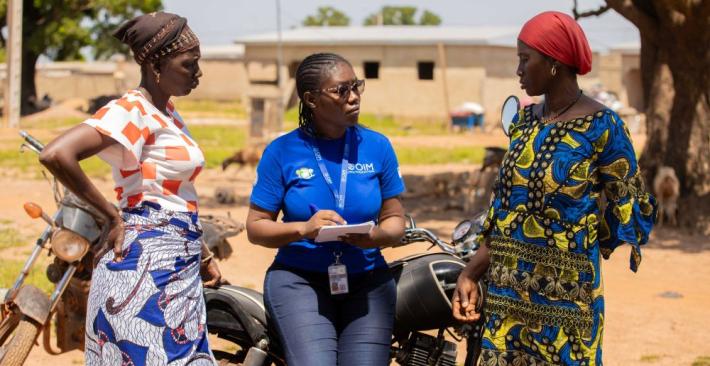
Border Governance
This area focuses on helping countries manage their borders more effectively and humanely. It includes improving laws, policies, and systems that support safe and orderly migration. Activities range from detecting and identifying people at borders to offering support and referrals, with attention to both security and humanitarian needs.
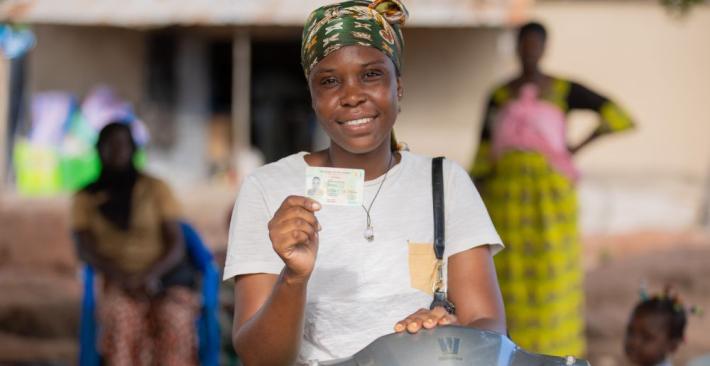
Legal Identity
This area supports efforts to ensure everyone has official proof of who they are. It focuses on helping countries improve systems that register births, deaths, and other vital events, and that manage personal identity records. The goal is to make legal identity accessible to all, especially migrants and people in remote border areas, while protecting privacy and data security.

Security and Counter-terrorism
This area focuses on protecting borders from threats such as terrorism and organized crime. It involves strengthening the ability of border agencies to detect, prevent, and respond to security risks, while respecting human rights and legal standards. The goal is to ensure borders are secure, resilient, and part of broader efforts to promote peace and stability.
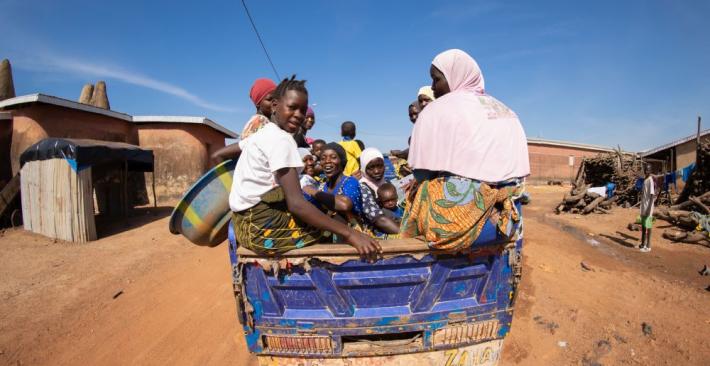
Gender, Youth and Human Rights
This area ensures that border management is fair, inclusive, and fully respectful of human rights. It acknowledges that people experience borders differently depending on their gender, age, and background, and that young people as well as marginalized groups often face heightened risks. It promotes border policies and operations that make governance both effective and equitable, while remaining aligned with the principles of peace, security, and sustainable development.
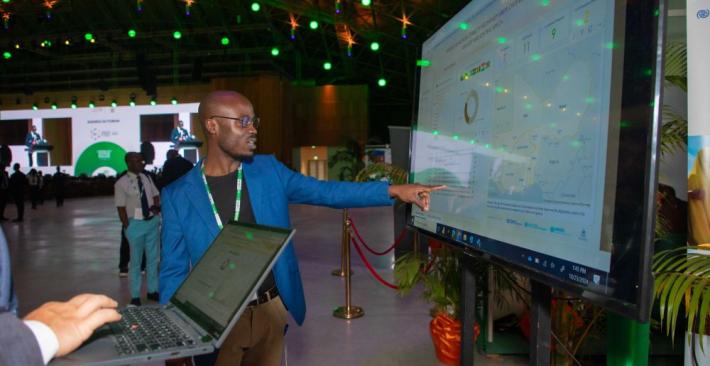
Knowledge Management and Accountability
This area supports smarter and more transparent border management by helping systems learn, adapt, and improve over time. Knowledge management means capturing lessons, analyzing new threats, and using data and digital tools to strengthen operations. Accountability ensures that border activities are transparent, well-supervised, and aligned with the needs of communities.
Research and Analysis
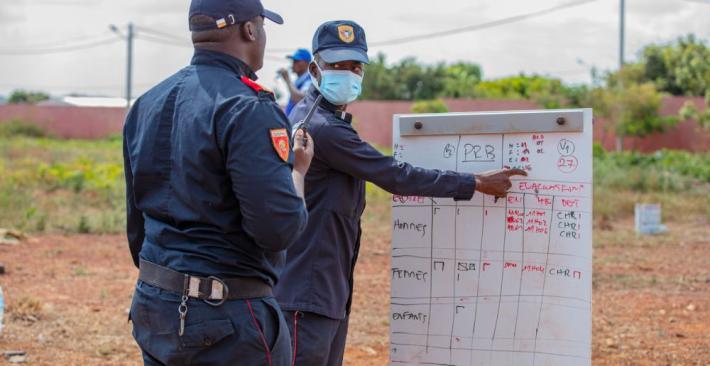
This area focuses on collecting and analyzing reliable data to support smarter, evidence-based border management. Accurate information is essential for identifying risks such as trafficking routes, cross-border crime, and terrorism, and for designing strategies that respond to actual conditions on the ground. It ensures that border policies remain proactive, well-coordinated, and firmly grounded in concrete, real-world evidence.

System Interoperability
This area focuses on making sure different national and international systems such as immigration, customs, and security can work together by sharing and using data in real time. It helps border agencies coordinate better, detect threats faster, and make more informed decisions.

Operational Support
This area focuses on providing hands-on help to improve how borders are managed. It includes support such as personnel, equipment, services, and coordinated activities like joint operations, crisis response, and training. The goal is to ensure that border control is secure, efficient, and humane, while promoting cooperation and compliance with legal standards.